
Saturday
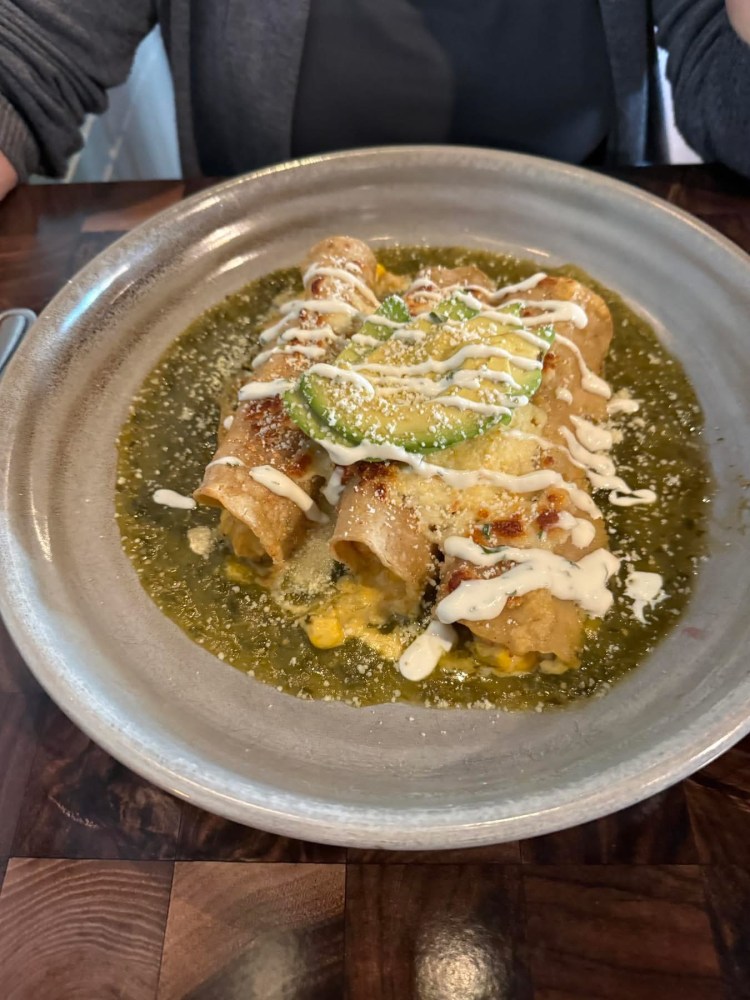
We arrived at the Courtyard Marriott around 7 pm, and within five minutes of dropping our bags, we were seated at a table in Connor’s Restaurant. I ordered enchiladas—a very uncharacteristic choice for me—which turned out to be a mistake. (Let’s just say I began eyeing our limited supply of Tums with concern.)
Conference check-in was quick and painless, and we were handed bright green tote bags—always a fun perk!
Sunday
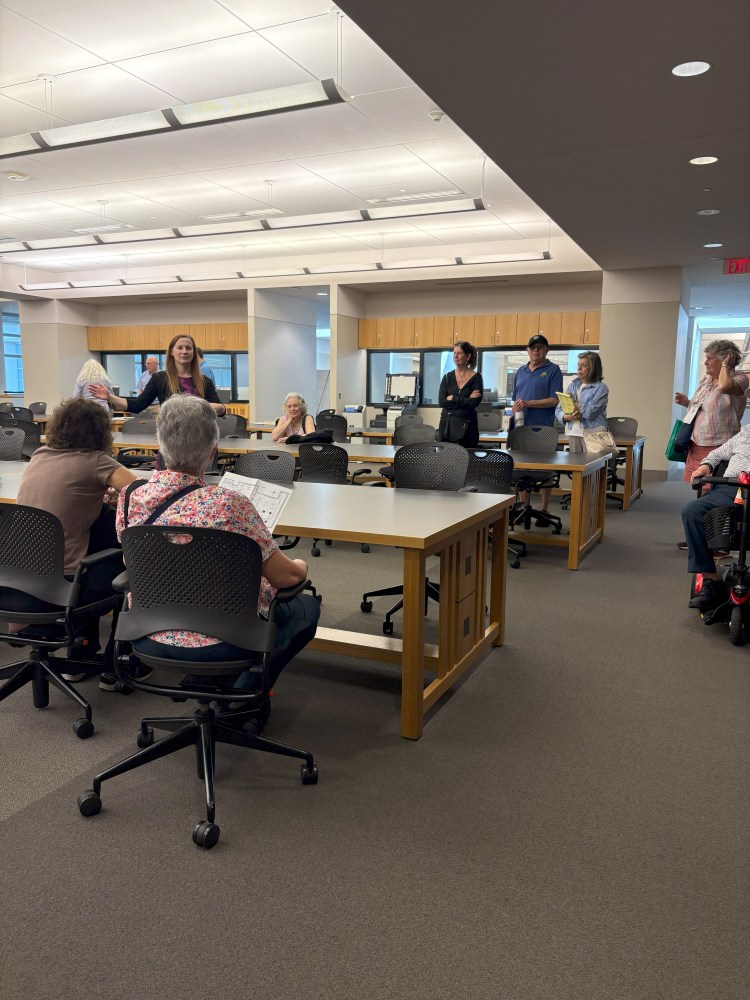
The morning was relaxed, and at 11:00 I toured the Allen County Public Library. It’s an extraordinary place—the second-largest genealogy library in the U.S. (after Salt Lake City). The trained genealogy librarians there are both knowledgeable and wonderfully helpful.
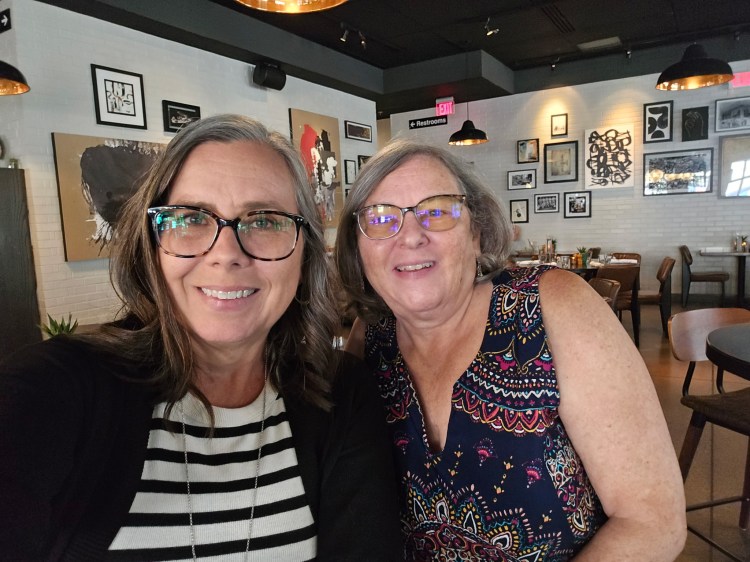
A highlight of the day was meeting my Sprinter writing buddy, Patti, who drove three hours (!) to have lunch with me. (Full disclosure: CeCe Moore’s keynote later that evening may have sweetened the deal.) We met at 1:30 and talked straight through until 5:00.
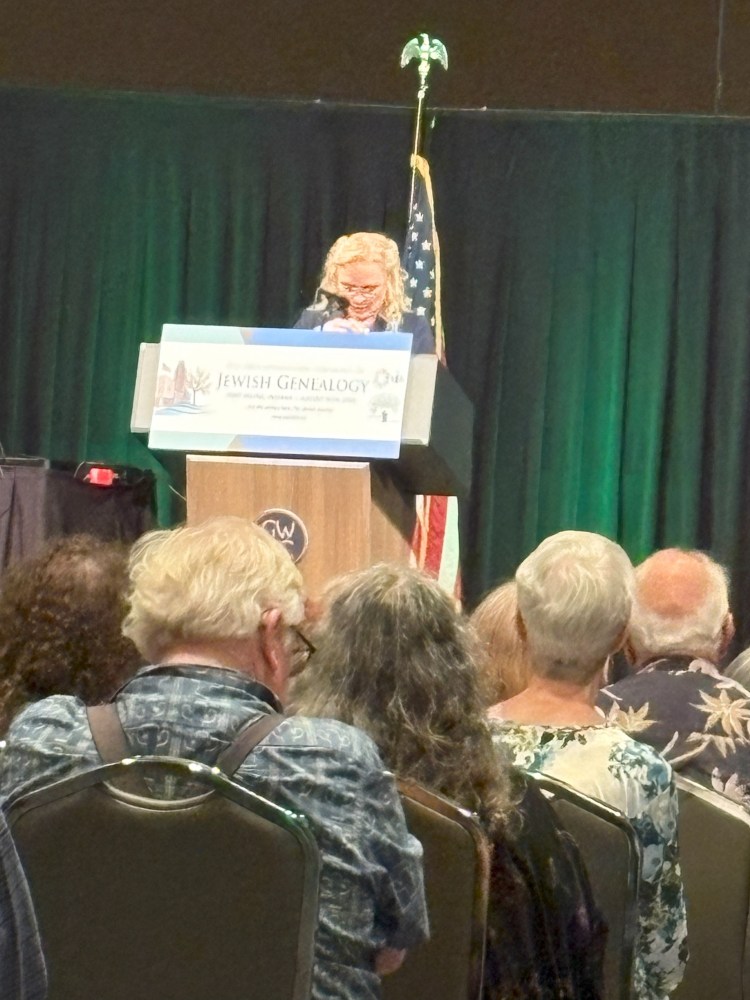
That evening we reunited at the convention center for CeCe Moore’s keynote. She traced the history of genetic genealogy, emphasizing that many advances came from grassroots “citizen scientists.” She also described a case from Fort Wayne—the murder of an eight-year-old girl that had gone unsolved for 30 years. Thanks to DNA, her team identified the killer within weeks.
Afterward, I joined my condo neighbor Margo, plus local friends Peri, her husband, and her cousin Honey, for the dessert reception. Then it was straight to bed to gear up for the first full day of sessions.
Monday

I eased into the morning before heading to my first session, Tracing the Manifest with Susan Weinberg. She walked us step by step through a case study, showing screenshots of each move until she reached her target. She noted she can usually zero in within 10 steps—a stark contrast to those of us who get happily lost down rabbit holes.
For lunch, I met up with Catherine Arnott Smith. Last year I had met her mother, Eva Arnott, who shared vivid memories of growing up in Vienna and Ireland during the war. Eva’s story is remarkable—one the wider world really deserves to hear.
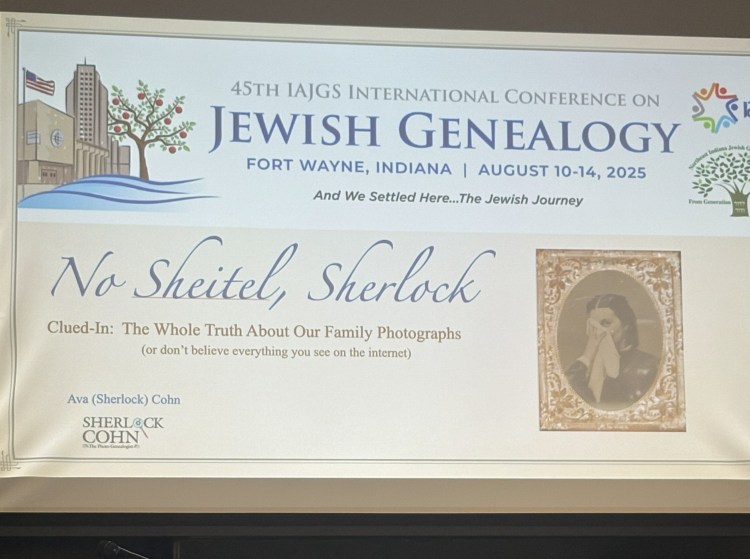
After lunch I attended Clued In: No Sheitel Sherlock: The Whole Truth about Our Family Photographs with Ava “Sherlock” Cohn. I hadn’t fully realized that “sheitel” is Yiddish for the wig traditionally worn by married Jewish women. Ava offered a lively and practical talk about using visual clues to date and identify family photos.
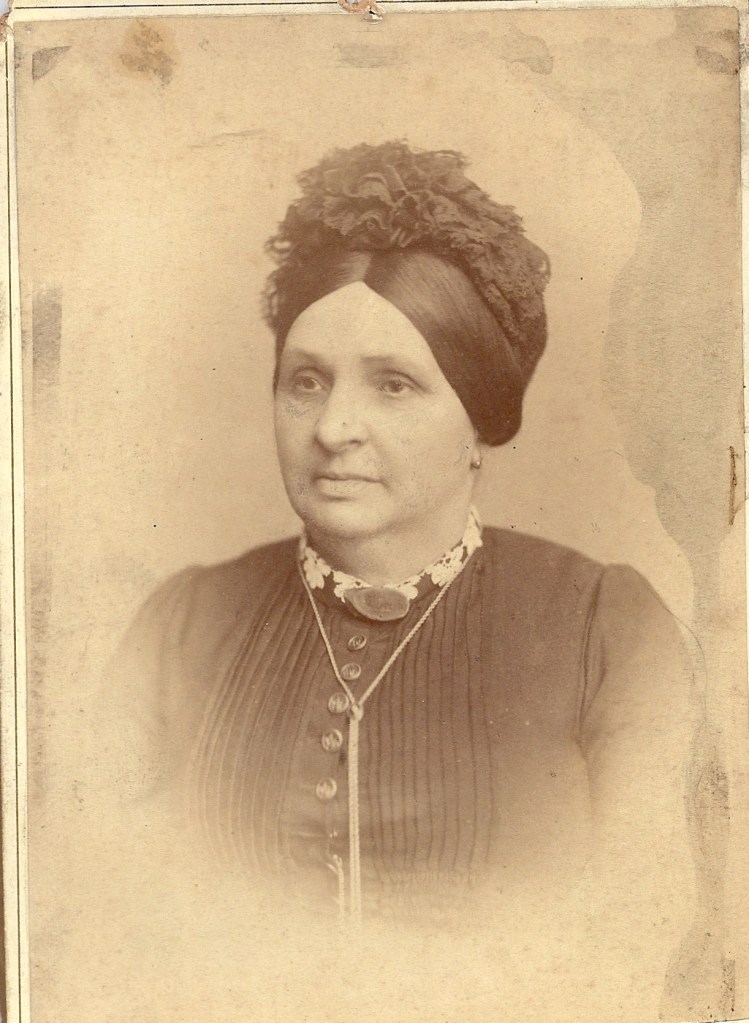
Maybe a bonnet? Too bad I already forgot!!
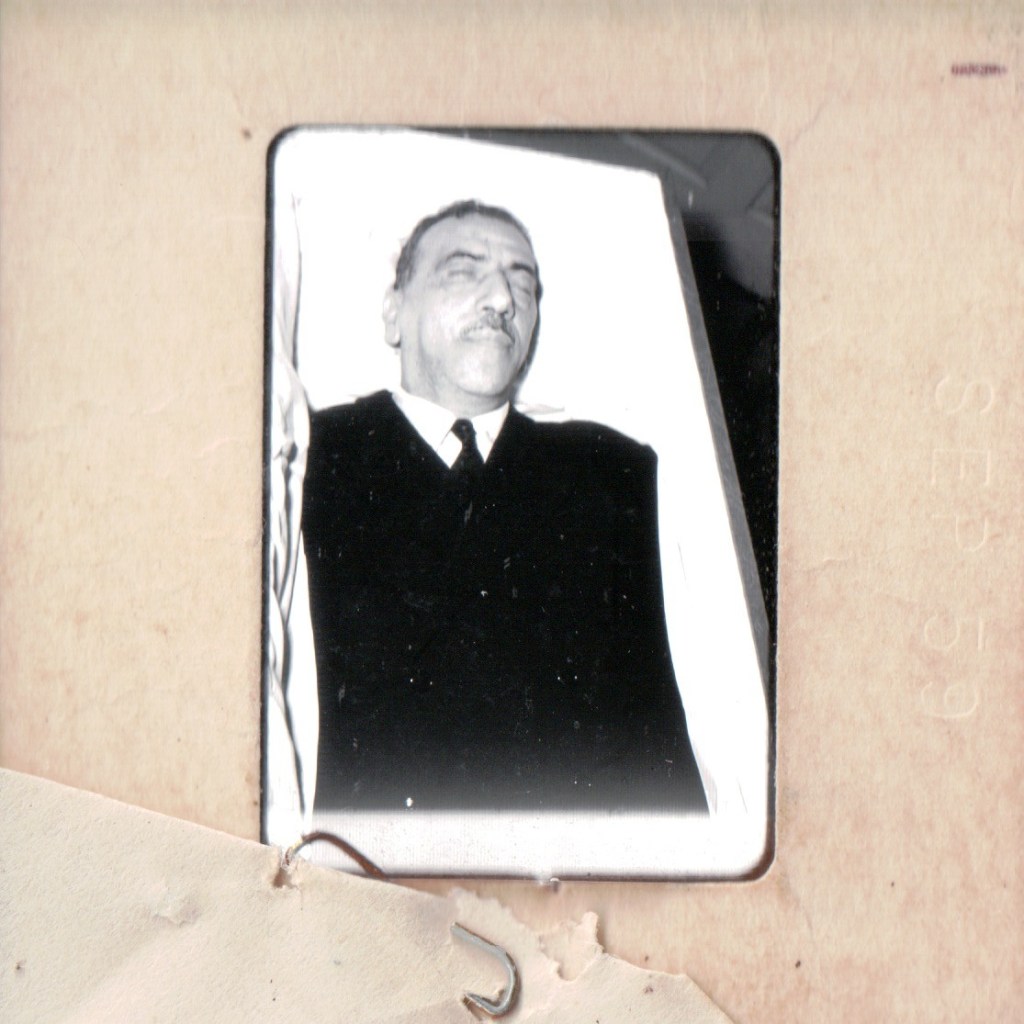
I stopped by Ava’s booth in the Expo Hall to follow up on something she mentioned during her presentation. She had said it was very rare for Jews to take post-mortem photographs. I told her about a curious discovery I’d made among my grandmother’s belongings: a tiny satin-lined box containing a slide of my grandfather, Paul Lichtenthal, in his coffin (shown below). It struck me as especially unusual, not only because of the photo itself but also because he was cremated. That, in turn, seemed odd given that he had survived imprisonment in Dachau and Buchenwald. Ava was quite surprised by the story and suggested I contact the mortuary to see if I could uncover more information.
That evening, after dinner with Scott, I headed to the Genealogy Center at the ACPL. My focus: Scott’s great-grandmother, Catherine (Kenney) Seeley, the subject of my current work-in-progress. I didn’t uncover any new details about her birth or marriage, but I was able to validate what I already had—always a win. After giving myself a neckache scrolling through 19th-century newspapers, I finally called it a night.
Tuesday
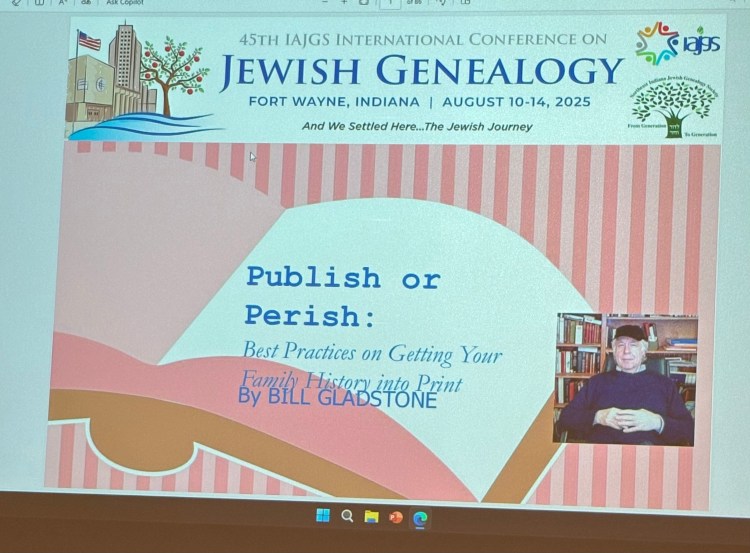
My day began with Publish or Perish: Best Practices on Getting Your Family History into Print by Bill Gladstone. I didn’t pick up anything new personally, but it was a strong session for those starting to think about publishing.
As I listened, I reflected on my own experience creating Doris’s New Home with the help of AI. It made me wonder: could I build a workshop around using AI to create family history books? More on that later…
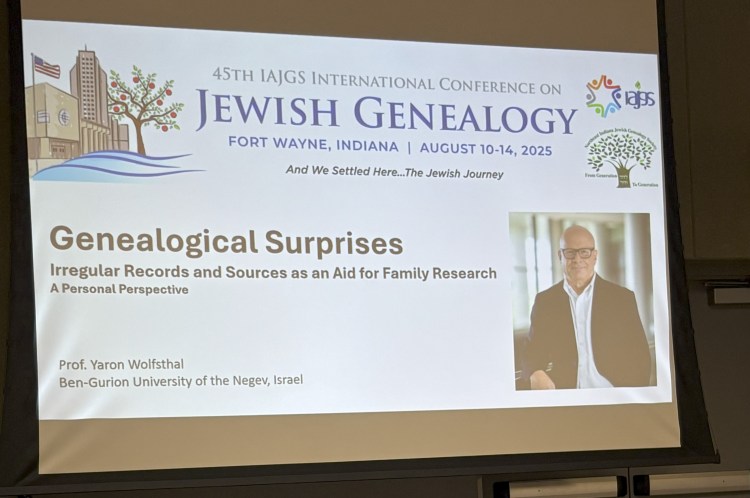
Next was Genealogical Surprises: Irregular Records and Sources as an Aid for Family History Research with Yaron Wolfsthal. He introduced a fascinating range of lesser-known European sources.
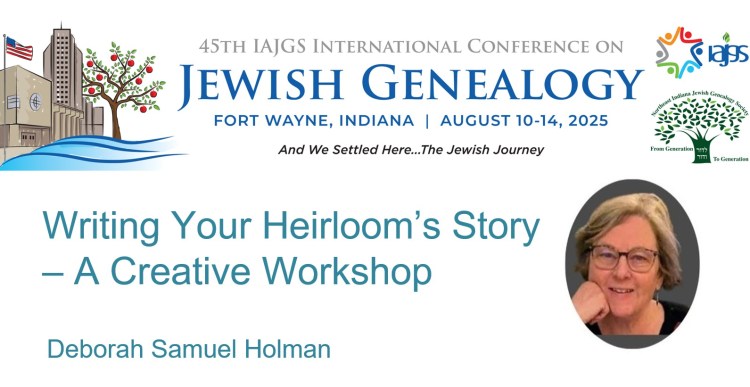
From 3:30–5:00, I presented my own workshop: Writing Your Heirloom’s Story. Attendance was modest—just eight people—but the group seemed engaged and enthusiastic. Perhaps the extra fee or the word “writing” scared some folks off. I’ll be curious to read the evaluations. Of course, I forgot to ask someone to take photos!!
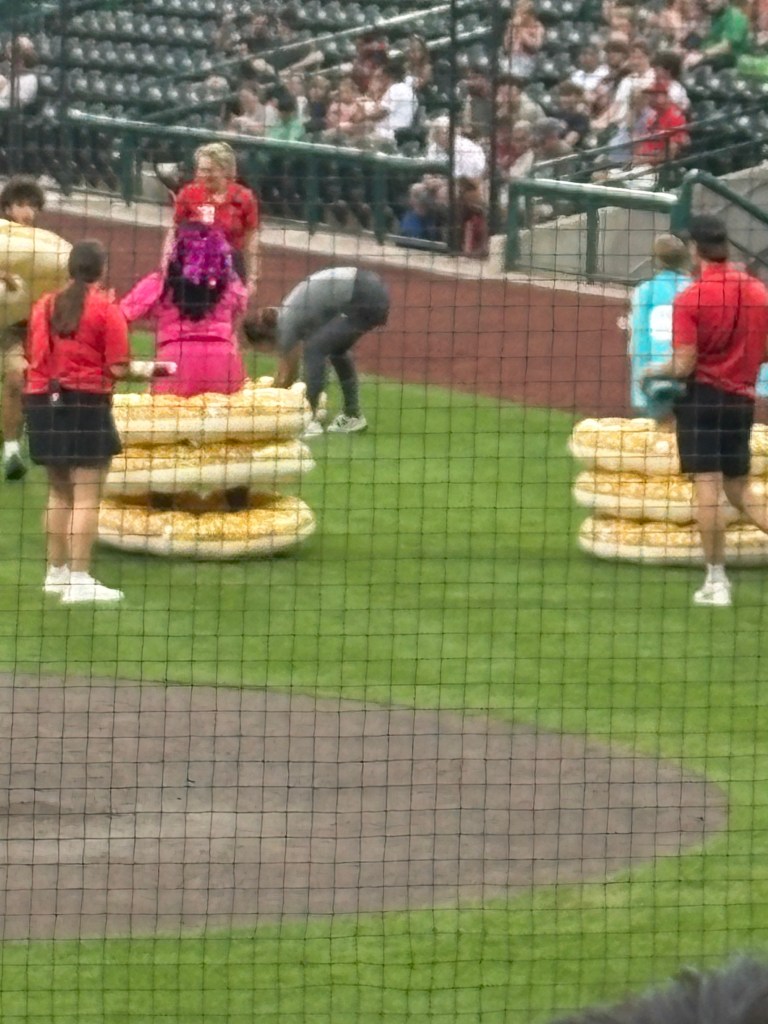
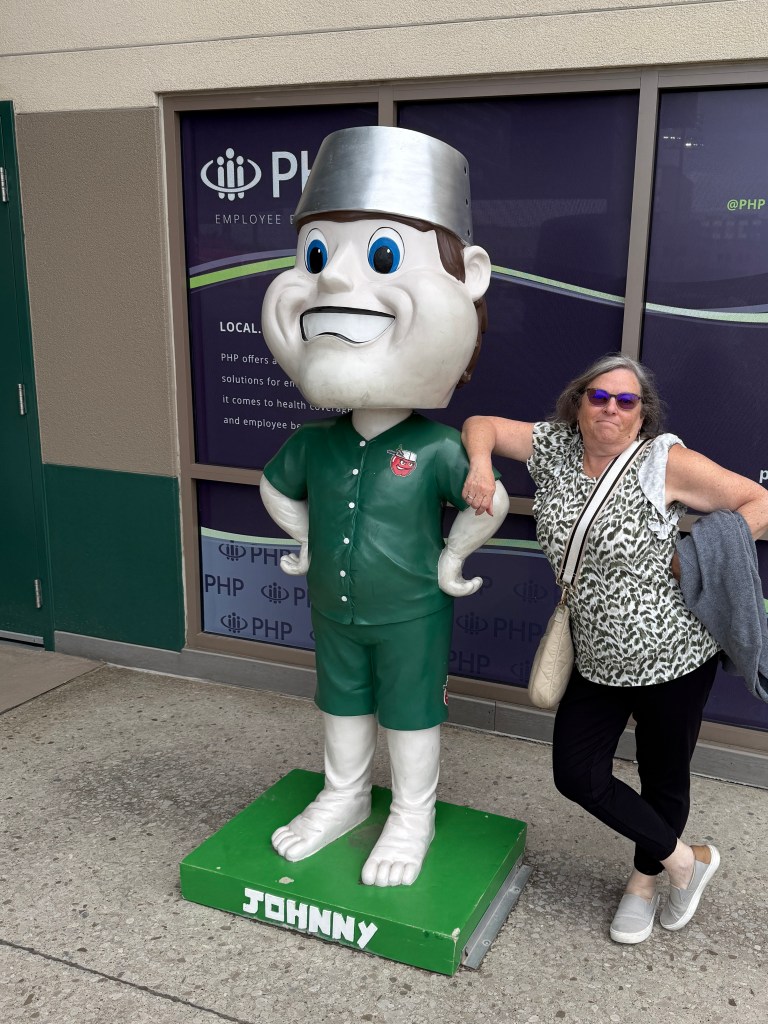
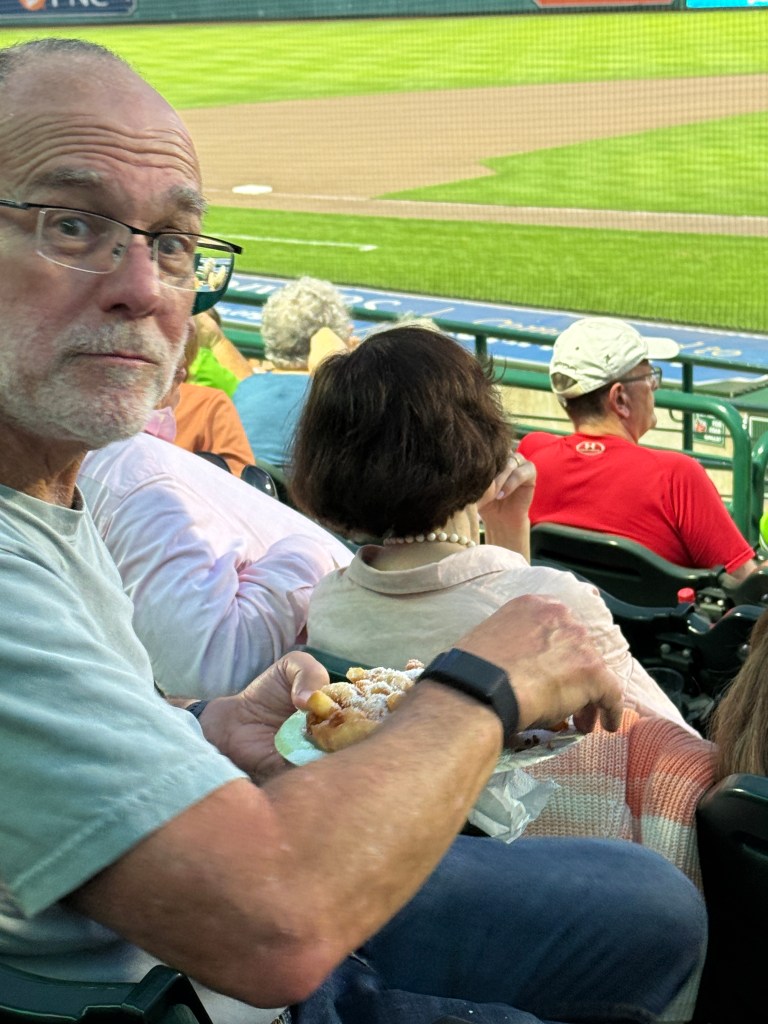
The evening ended on a lighter note at the ballpark, where we watched the Fort Wayne TinCaps trounce the West Michigan Whitecaps 6–0. The forecast had threatened rain, but we had perfect weather—and it happened to be $2 hotdog night. Perfect.
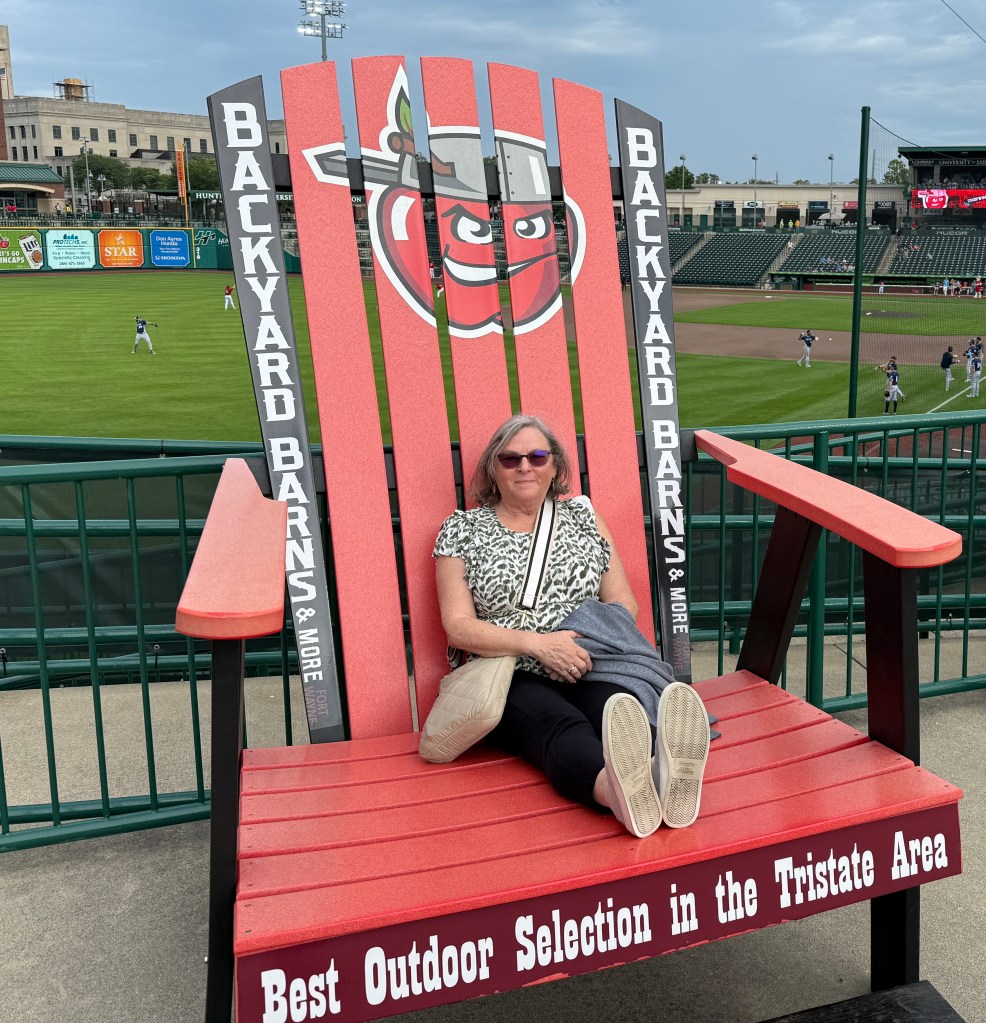
Stay tuned for Part Two (of three), where I’ll share highlights from the next two days of the conference.
 Who We Are and How We Got This Way
The TinCaps vs the White Caps?! Sounds like fun…and the conference sounds great. Hope you sold a lot of books!
LikeLike
Loving this !!Sent from my iPhone
LikeLike