
I’m baaaaaack! Today was a full day and I am finally able, at 10 pm., to resume my blog about yesterday!
Arolsen archives- history, exploring, and online access
I attended three sessions in the afternoon. This one was presented by Serifima Velkovich, who began by sharing the history of the Arolsen Archives. The AA was a great resource for me when I was researching the fates of my ancestors during the Holocaust. Originally called the CENTRAL TRACING BUREAU in 1945, it became the International Tracing Service (ITS) in 1952. It was during that time period my cousin Bob (originally called Kurt Mendel) contacted them searching for his mother, Renee. Documents I found on the site helped me recreate his search, which ended with the sad realization she had died in a camp.
Now a mutual project with Yad Vashem, the Arolsen Archives, has morphed from a tracing bureau to a true archive. I won’t go into the details on how to use the site here, as the website itself is well laid out and easy to navigate. The e-guides attached to certain types of records are especially informative in helping you understand the forms themselves and the historical context surrounding them.
One of their most important projects is the Every Name Counts project. To date, over 75,000 volunteers have taken part in this effort to process documents. Anyone can take part. Check it out!

Resources About Individuals at the US Holocaust Museum
This session was presented by Diane Afoumado. She spoke about the variety of documents available at the USHMM and shared a case study of a family fleeing Europe. They were sailing on the St. Louis, which was not allowed to land in Cuba. After being sent back to Europe the family was eventually sent to Auschwitz where most perished.
More interesting than the talk, however (my apologies to the presenter), was speaking with the woman seated next to me. Jean LeWanda wrote two books. One about her father who escaped from Vienna to Shanghai, and was based on his actual memoir. The other is about her mother. We wondered whether our families knew each other as her grandfather was Max Singer, whose business was selling women’s in Vienna.

HOW DID THEY GET THERE FROM HERE? Bradshaw’s Railway Guide and Other Tools of Discovery
Emily Garber gave a excellent presentation on the process emigrants used to get from their shetl, or hometown, to their port of departure. She focused on the use of railroads and clearly explained resources available to help researchers recreate their ancestors’ journeys. One very interesting fact I learned was that the European system used a four-foot track, while the Russians used a five-foot track. Because of these different gauges, people had to disembark at the Russian borders and get on another train.
I also learned that border controls were first set up by the shipping companies. The shipping companies had to cover the cost of sending back immigrants that were refused by the receiving country. Therefore, it was in their best interest to determine the health of the person traveling.
A bit disconcerting was learning that often the trains had special cars for the immigrants. Many places did not want to be overrun with immigrants, so to be certain the travelers would not get off in towns along the route, they were contained on special cars, and locked in until they reached their destination, where they would then be released and examined to ensure they were fit for entry to receiving country.
Emily shared so much more information than I can put in this post. If you are at all interested in the topic of how your ancestors traveled in the late 1800s and early 1900s,, I suggest you be on the look out for when Emily repeats this presentation. The easiest way to do that is probably to subscribe to her blog, (going)The Extra Yad.
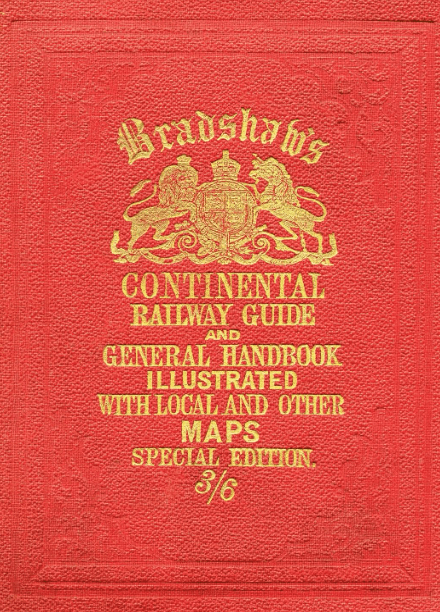
In the meantime, here is a resource you might be interested in: Bradshaw’s Continental Railway Guide. Emily recommends you buy the print version. The 2012 reproduction of the book originally published in 1863 has pull-out maps which the Kindle version does not have.
Jewpardy
The evening entertainment was this year’s version of Jewpardy.
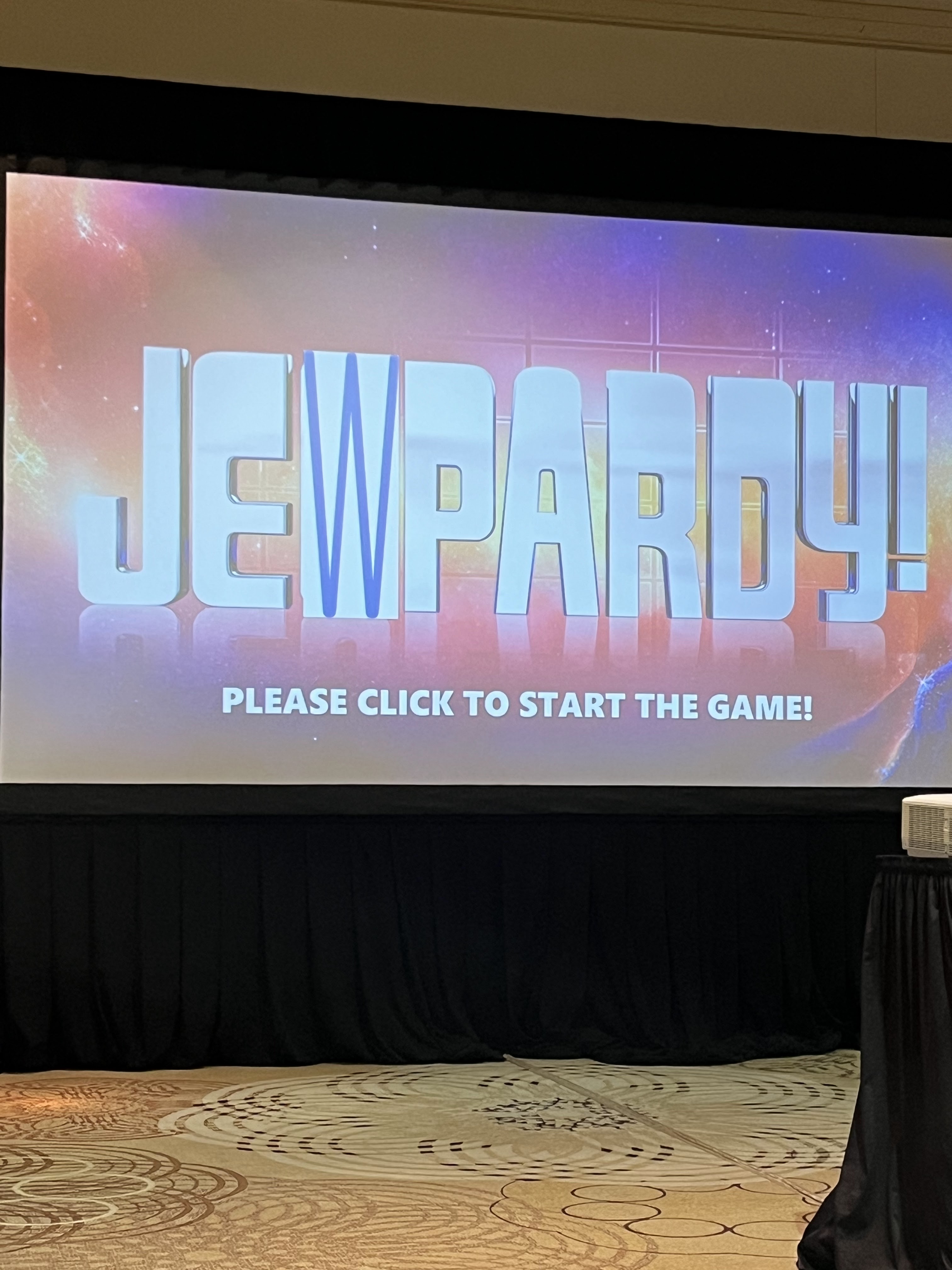
Carrying on despite the loss of the late Ron Arons, Jordan Auslander managed to be as ridiculous as always, hosting this year’s Jewpardy Game. In Ron’s honor, a new category was added: Kosher-Nostra Jewish Criminals. Things went along well- the audience scoring much more than the contestants, until this unfortunate slide appeared.
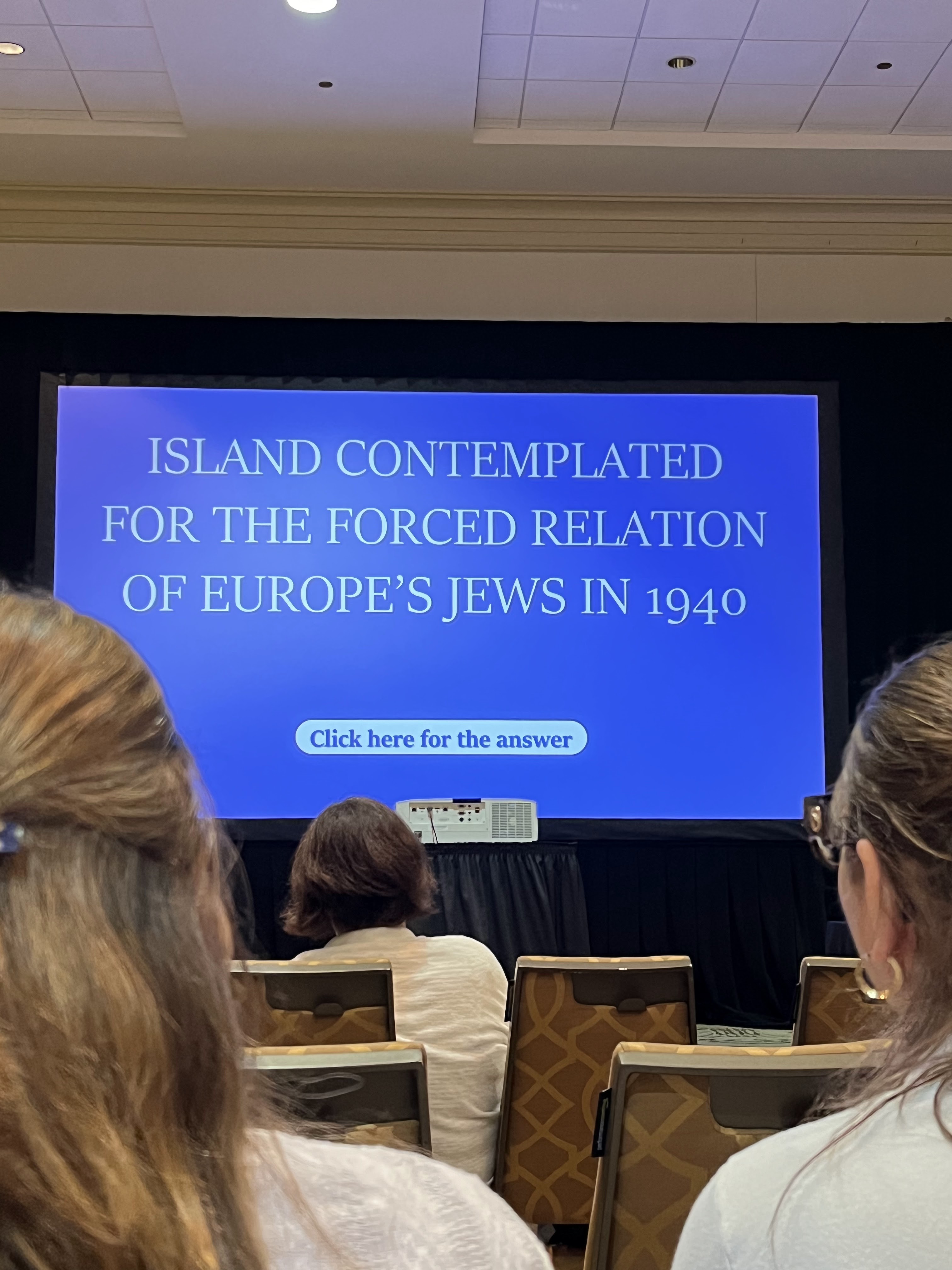
Guess the creators forgot, that, in this case, “spelling counts!” Things went rapidly down hill after that! But, we all laughed, had a great time, and even learned some things! By the way, the answer was Madagascar.
It’s now 11:25 p.m, on Tuesday night. I am officially a full day behind in my blog posting!! I’ll try to do better tomorrow and catch up. We actually did some sightseeing today so I’ll share that as well. Nighty-night!
 Who We Are and How We Got This Way